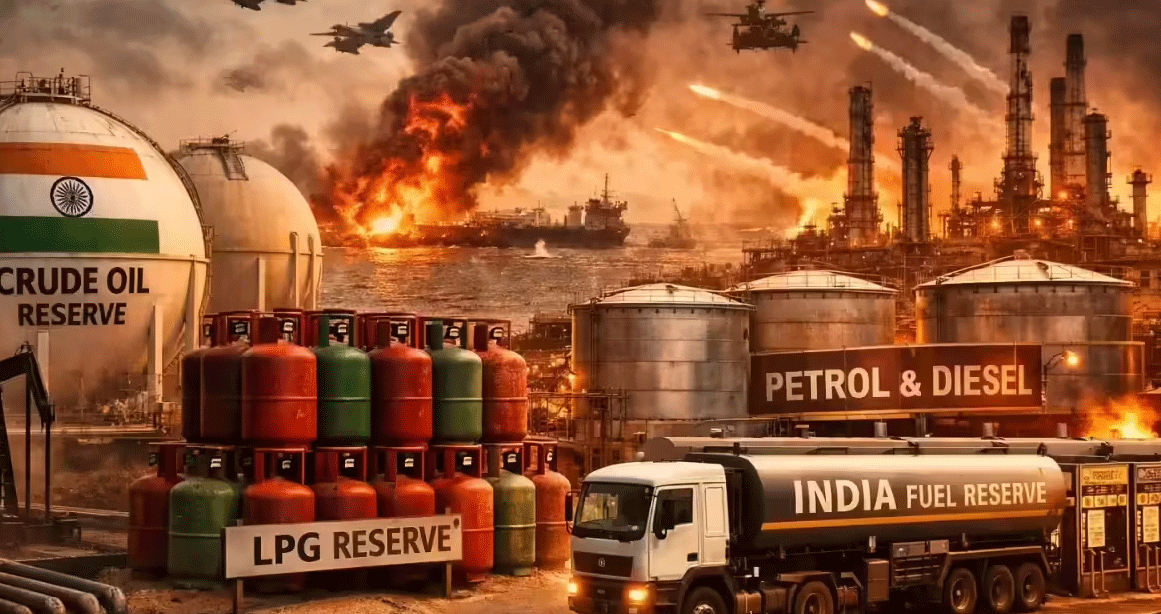
Overview of the West Asia Conflict
The ongoing war in West Asia has far-reaching consequences beyond its regional borders. As tensions escalate, nations worldwide are bracing for economic impacts, particularly in energy supply. India, heavily reliant on energy imports, faces significant challenges that could affect its growth trajectory.
India’s Energy Dependency on West Asia
India imports a substantial portion of its crude oil from West Asia, making it vulnerable to fluctuations in supply. Approximately 85% of India’s crude oil comes from this region, illustrating the dependency that could be disrupted by the ongoing conflict. This reliance not only affects energy prices but also has implications for national security and economic stability.
Rising Oil Prices
As the conflict intensifies, global oil prices have surged. Higher oil prices lead to increased costs for transportation and manufacturing, which in turn affects consumer prices. India, being one of the largest consumers of oil, is likely to experience inflationary pressures that could slow down economic growth.
Potential Supply Chain Disruptions
Disruptions in supply chains due to the conflict can lead to shortages of fuel. This could result in rationing or increased costs for consumers. The Indian government is monitoring the situation closely and exploring alternative supply routes to mitigate risks.
Government Strategies to Mitigate Impact
The Indian government is proactively exploring various strategies to ensure energy security. This includes diversifying energy sources and investing in renewable energy projects. By reducing dependency on West Asian oil, India aims to enhance its energy resilience.
Engaging with Other Oil Producers
India is also looking to strengthen ties with other oil-producing nations, including those in Africa and South America. By expanding its supplier base, India can reduce the shock experienced from disruptions in West Asia.
The Future of Energy Supply in India
Looking ahead, the conflict in West Asia underscores the importance of energy diversification for India. The ongoing geopolitical tensions highlight the need for a robust strategy that encompasses both immediate actions and long-term planning.
Importance of Renewable Energy Investment
Investing in renewable energy sources is crucial for reducing dependency on volatile regions. Initiatives to promote solar, wind, and bioenergy can significantly enhance India’s energy security.
Conclusion
The conflict in West Asia is a stark reminder of the vulnerabilities in the global energy landscape. For India, addressing these challenges through diversification and strategic partnerships will be vital in ensuring stable and affordable energy supply for its growing economy.
How does the West Asia conflict affect oil prices in India?
The conflict can lead to increased oil prices due to supply disruptions and rising global tensions.
What measures is India taking to ensure energy security?
India is diversifying its energy sources and investing in renewable energy projects to reduce reliance on West Asia.
Why is India heavily dependent on West Asia for energy?
India imports about 85% of its crude oil from West Asia, making it vulnerable to geopolitical tensions.