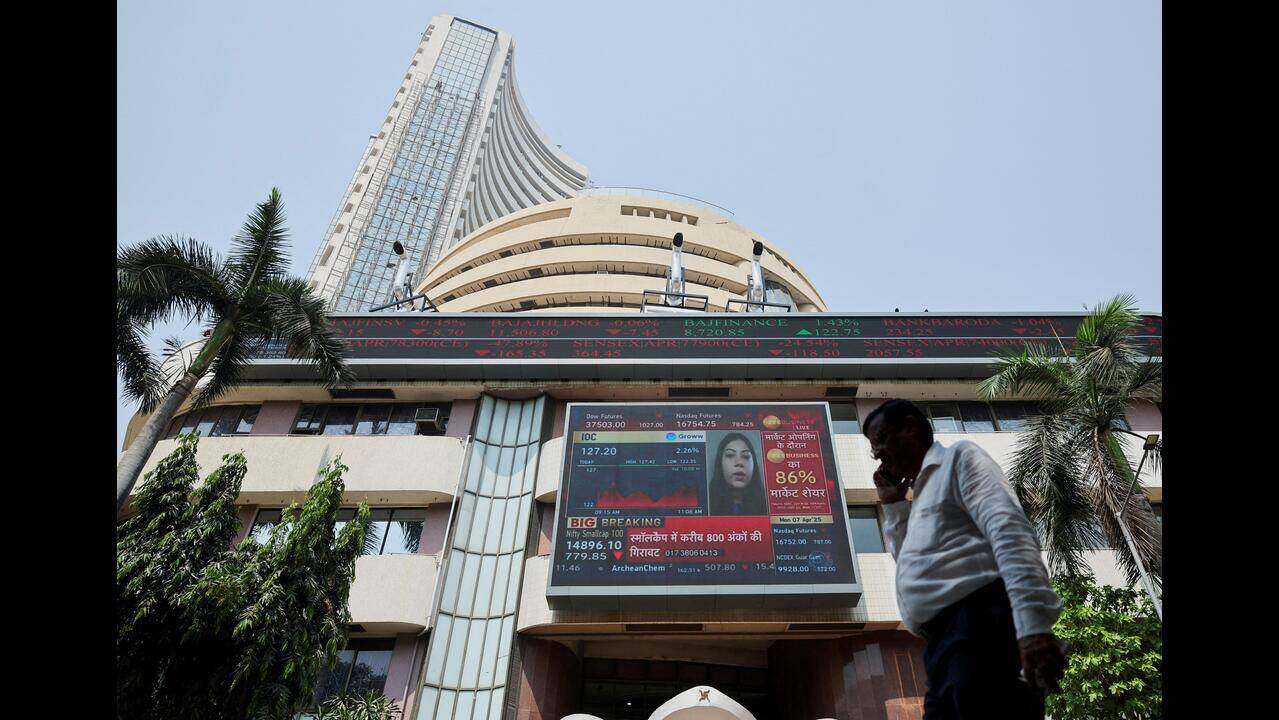
Market Outlook Amid Middle East Tensions
Recent geopolitical tensions in the Middle East could lead to a significant downturn in global markets, with estimates suggesting a potential decline of up to 10%. Vikas Khemani, a prominent market analyst, advises investors to consider adopting a staggered buying strategy during this uncertain period.
Understanding the Impact of Geopolitical Events
The conflict in the Middle East has historically influenced market stability, and the current situation is no exception. Investors are advised to remain cautious, as heightened tensions can lead to volatility in stock prices.
Staggered Buying: A Strategic Approach
Khemani emphasizes the importance of a staggered approach to buying stocks. This strategy allows investors to gradually build their portfolios, reducing the risk associated with market fluctuations. By purchasing shares over a period of time, investors can average out their costs and mitigate potential losses.
Focus on Domestic Sectors
Despite the looming threats from international conflicts, Khemani urges investors to concentrate on domestic sectors that are likely to remain resilient. Sectors such as technology, healthcare, and consumer goods may offer stability in the face of external pressures.
Long-Term Market Stability
While short-term volatility is expected, Khemani believes that the Indian economy’s fundamentals remain strong. Investors should maintain a long-term perspective, as the market is likely to recover once geopolitical tensions subside.
Strategies for Investors
As market uncertainties continue, investors should consider diversifying their portfolios and focusing on sectors with strong fundamentals. This approach can help cushion against potential losses from market downturns.
Conclusion: Navigating Market Volatility
In conclusion, the current geopolitical climate poses challenges for investors. However, with careful planning and strategic buying, it is possible to navigate this volatility successfully. By staying informed and focusing on domestic sectors, investors can position themselves for future growth.
What is the potential market drop due to Middle East tensions?
Experts predict a potential market decline of up to 10%.
What is staggered buying?
Staggered buying involves purchasing stocks gradually to average out costs and reduce risk.
Which sectors should investors focus on?
Investors are advised to focus on resilient domestic sectors like technology and healthcare.