Introduction to Karnataka’s Wind Energy Challenges
Karnataka, a pioneer in wind energy generation in India, is facing significant challenges as the sector evolves. Rising costs and the necessity for taller turbines are making it increasingly difficult for new wind projects to be economically viable. This article delves into the various factors affecting the wind energy landscape in Karnataka, highlighting the implications for future developments.
The Impact of Rising Costs on Wind Projects
As the renewable energy sector grows, the costs associated with developing wind projects in Karnataka are also on the rise. Factors such as increased prices for raw materials, labor, and technology have contributed to this trend. Developers are finding it challenging to maintain profitability while adhering to strict regulatory standards and environmental assessments.
Material and Labor Costs
The cost of materials required for constructing wind turbines has surged, driven by global supply chain disruptions. Additionally, the labor market has tightened, leading to higher wages and associated costs for project developers. These rising expenses are forcing many companies to reevaluate their investment strategies in the wind energy sector.
The Need for Taller Turbines in Karnataka
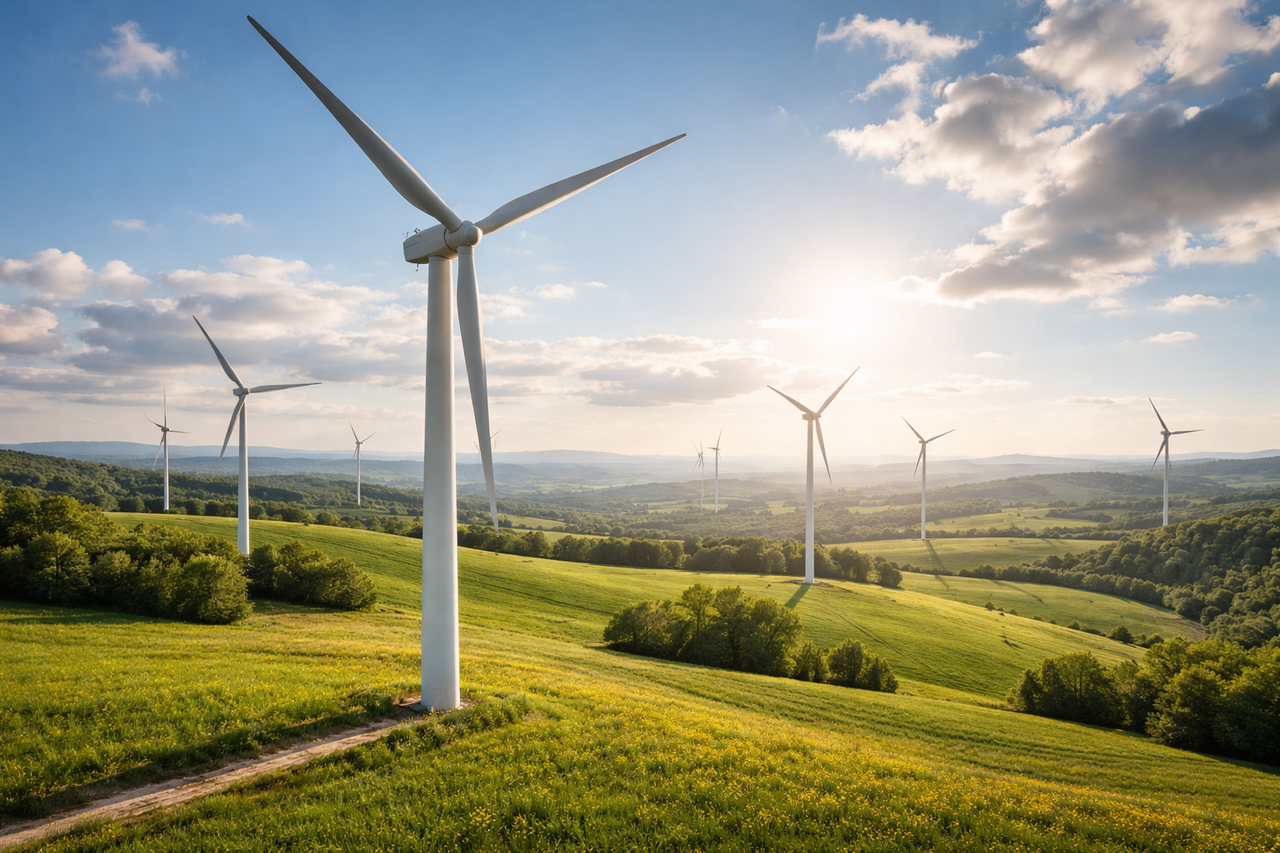
Taller wind turbines are becoming essential to harnessing more wind energy effectively. In Karnataka, where wind patterns vary significantly, taller turbines can capture wind at higher altitudes, leading to increased energy production. However, the installation of these structures is not without its own challenges.
Engineering and Design Challenges
Building taller turbines requires advanced engineering solutions, which can complicate the construction process. Developers must ensure that the turbines are designed to withstand local weather conditions while maximizing energy output. This complexity adds to the overall project costs, further straining budgets.
Future Prospects for Wind Energy in Karnataka
Despite these challenges, the future of wind energy in Karnataka remains promising. The state government is actively promoting renewable energy initiatives and exploring ways to mitigate rising costs. Innovations in turbine technology and improved financing options could pave the way for a more sustainable and economically viable wind energy sector.
Government Initiatives and Support
The Karnataka government has introduced various policies aimed at supporting renewable energy projects. By offering incentives and subsidies, they hope to attract investments and encourage developers to pursue new projects, even amidst rising costs.
Conclusion
In conclusion, while Karnataka’s wind energy projects face significant hurdles due to rising costs and the need for taller turbines, the state remains committed to advancing its renewable energy goals. With continued support from the government and innovations in technology, the wind energy sector in Karnataka can overcome these challenges and thrive.
What are the main challenges facing wind energy in Karnataka?
The main challenges include rising costs and the need for taller turbines to capture more wind energy.
How do taller turbines benefit wind energy projects?
Taller turbines can harness wind at higher altitudes, leading to increased energy production.
What initiatives has the Karnataka government introduced to support wind energy?
The government has offered incentives and subsidies to attract investments in renewable energy projects.