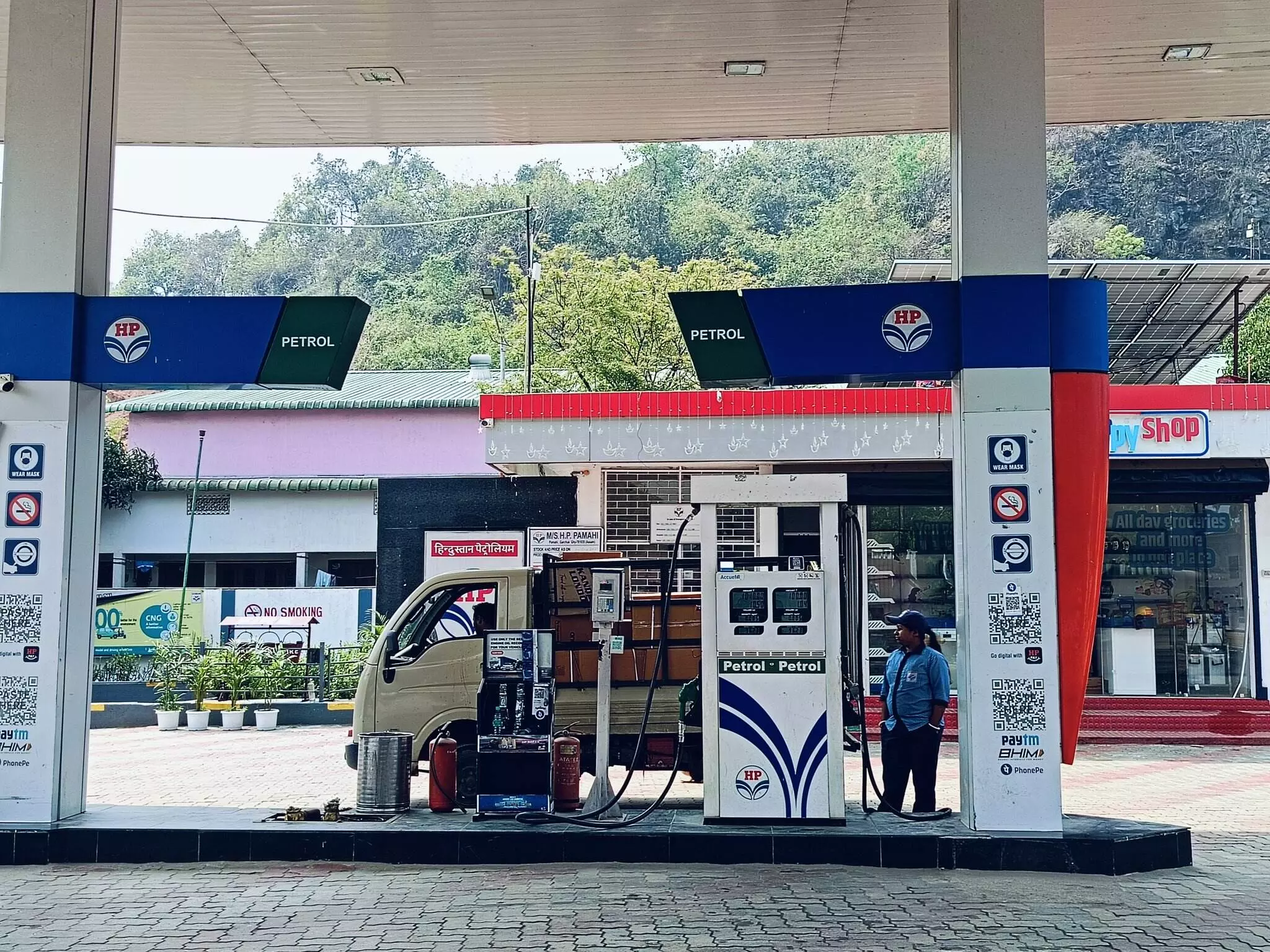
Overview of the Recent Fuel Duty Cut
The Indian government has announced a significant reduction in fuel excise duty by ₹10 per liter, aiming to ease the financial burden on consumers. Despite this tax cut, retail prices for petrol and diesel will remain stable, ensuring no immediate changes at the pumps for motorists.
Implications of the Excise Duty Reduction
This move is part of the government’s strategy to manage inflation and support the economy during challenging times. By lowering the excise duty, the government hopes to provide some relief to consumers who have been facing rising fuel costs.
Consumers’ Response to Fuel Price Stability
While the reduction in excise duty is a welcome change, the decision to maintain retail prices means that consumers may not experience any immediate benefit. Many are left wondering how this will affect their monthly budgets and transportation expenses in the long run.
Economic Impact of Fuel Pricing Policies
Fuel prices play a crucial role in the economy, affecting everything from transportation costs to the prices of essential goods. Analysts are cautious about the long-term effects of this policy shift, as stable fuel prices could lead to other inflationary pressures if global oil prices continue to rise.
Government’s Strategy Moving Forward
The government’s decision reflects a balance between managing fiscal responsibilities and supporting the public. Officials are expected to monitor the situation closely, adapting policies as necessary to ensure economic stability.
Future Prospects for Fuel Prices
As global oil markets fluctuate, consumers are advised to stay informed about potential changes in fuel pricing. The government’s commitment to maintaining stable prices, combined with excise duty adjustments, indicates a proactive approach to economic management.
Conclusion
The recent excise duty cut by the Indian government is a strategic move to alleviate consumer pressures while keeping retail fuel prices steady. As the situation evolves, it will be essential to watch how these changes impact everyday life and the broader economy.
How will the fuel excise duty cut affect consumers?
While the duty is reduced, retail prices will remain unchanged, so immediate benefits for consumers may be limited.
What are the potential economic implications of this policy?
Stable fuel prices could lead to inflationary pressures if global oil prices rise, impacting the overall economy.
Is this fuel duty cut a permanent change?
The government will monitor the situation and may adjust policies as needed based on economic conditions.