 11
11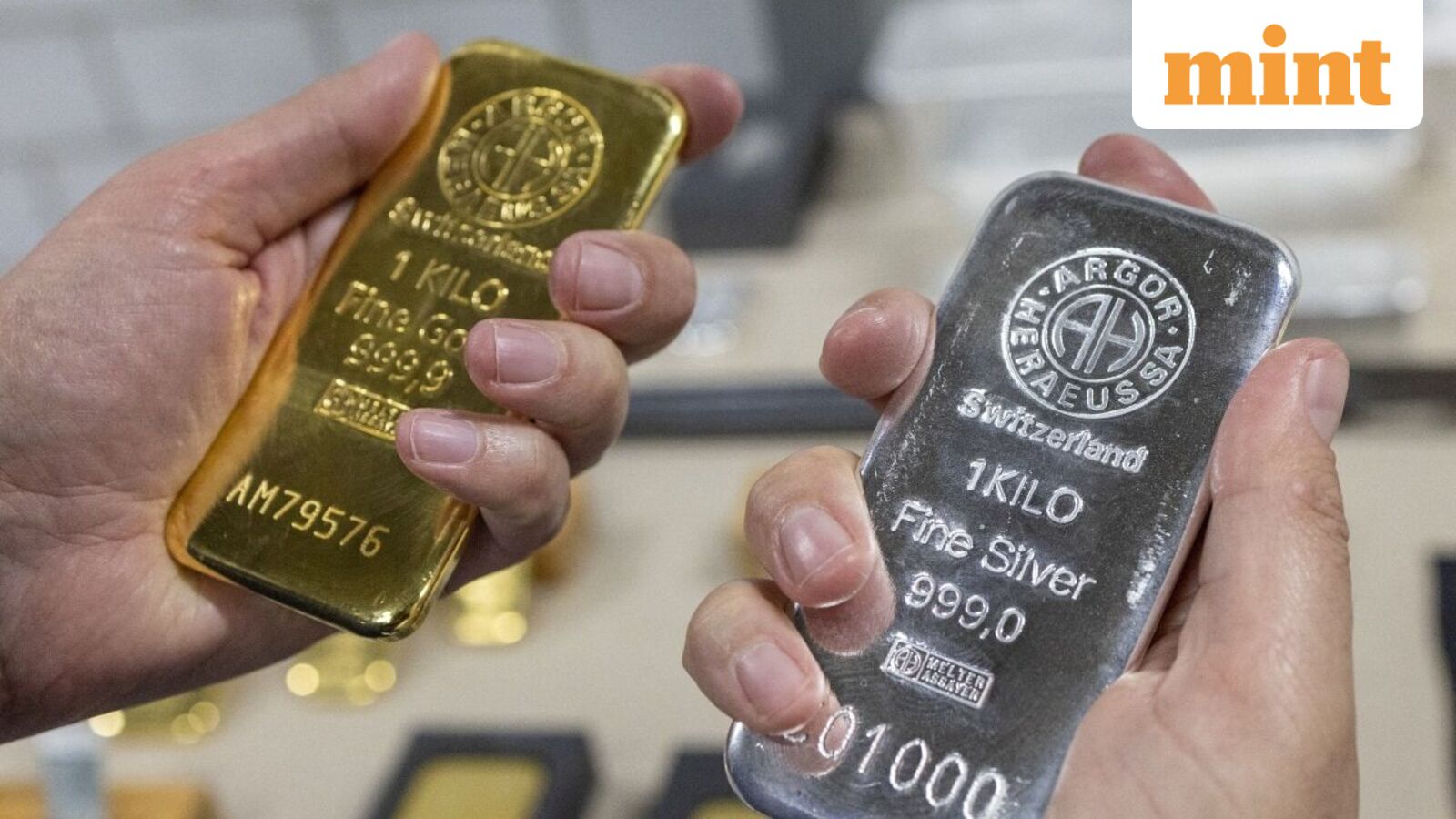
As geopolitical tensions escalate, particularly between the US and Iran, the gold-silver ratio has recently approached the 62 mark. This movement raises crucial questions for investors regarding the stability and future performance of precious metals.
The gold-silver ratio measures the relative value of gold to silver. A rising ratio typically suggests that gold is becoming more valuable compared to silver. When the ratio nears 62, it signals that investors may be favoring gold as a safer investment amid uncertainty.
During times of crisis, such as the ongoing tensions between the US and Iran, investors often flock to gold as a safe haven. This behavior can drive up the price of gold while putting downward pressure on silver, leading to a higher gold-silver ratio.
The potential for conflict in the Middle East has historically impacted global markets. Investors are closely monitoring the situation, as any escalation could lead to increased volatility in commodity prices, including precious metals.
Given the current geopolitical climate, investors should consider diversifying their portfolios. Allocating a portion to gold can provide a hedge against market instability. Furthermore, understanding the gold-silver ratio can help investors make informed decisions about when to enter or exit positions in these metals.
As the gold-silver ratio hovers near significant levels, it will be essential for investors to stay updated on geopolitical developments. The relationship between gold and silver prices can provide insights into market trends and investor sentiment.
In summary, with the gold-silver ratio nearing 62 amidst rising tensions in the Middle East, investors should remain vigilant. Understanding the implications of this ratio can aid in making strategic investment decisions.
A higher gold-silver ratio indicates that gold is becoming more valuable compared to silver, often driven by increased demand for gold during times of uncertainty.
Investors can diversify their portfolios by including safe-haven assets like gold, which tend to hold value during market instability.
Historically, the gold-silver ratio has served as an indicator of market trends, with fluctuations often reflecting changes in investor sentiment and economic conditions.