Understanding the Current Energy Crisis
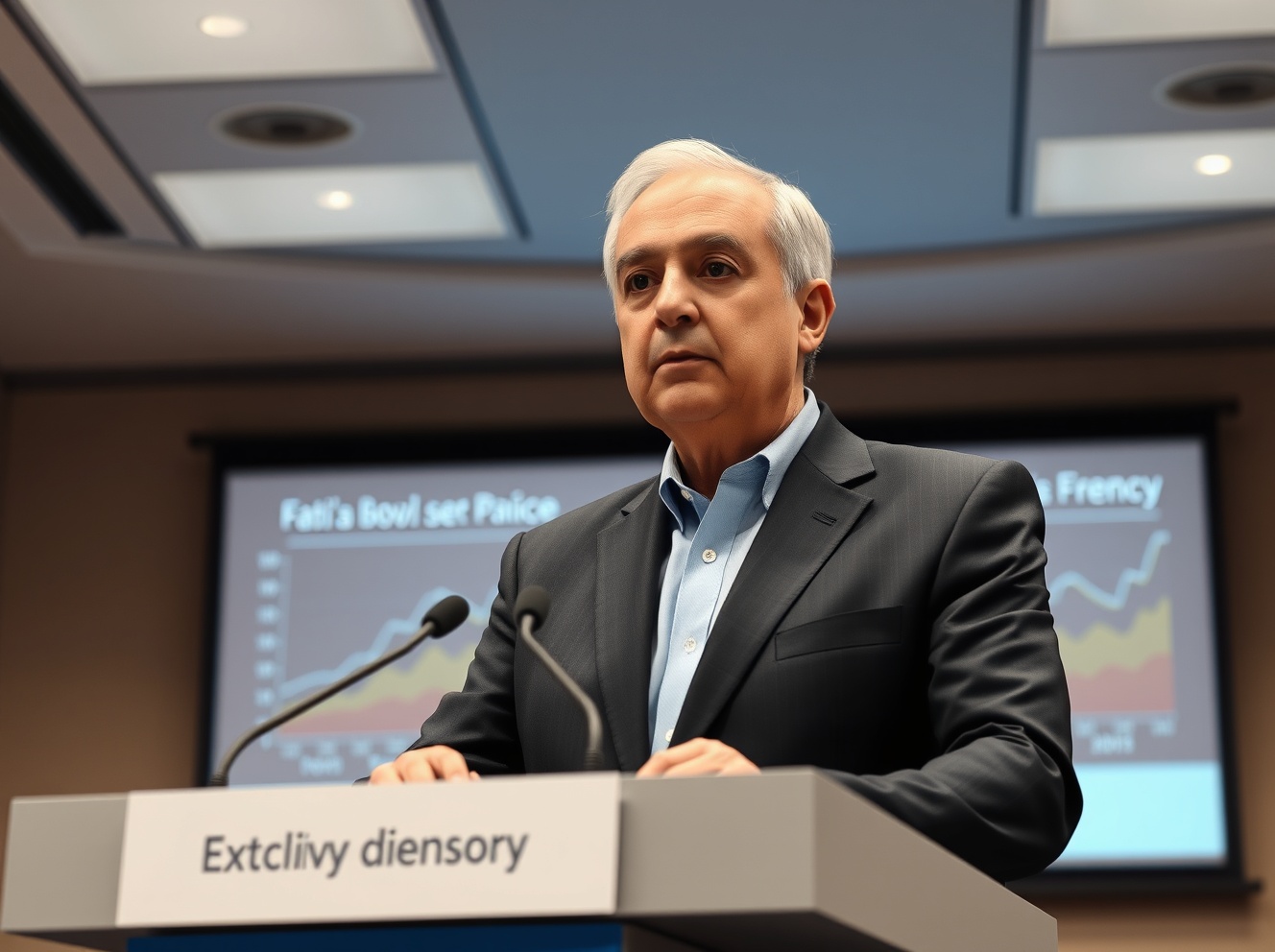
The International Energy Agency (IEA) has issued a stark warning regarding the ongoing energy crisis, indicating that the current situation is unprecedented. According to IEA Executive Director Fatih Birol, this energy shock is larger than the combined crises of the 1970s and the disruptions experienced in 2022.
Historical Context of Energy Crises
To grasp the magnitude of the current crisis, it’s essential to consider past energy shortages. The oil embargo of the 1970s drastically affected global economies, leading to soaring prices and significant political upheaval. Similarly, the disruptions of 2022, primarily influenced by geopolitical tensions and the COVID-19 pandemic, highlighted vulnerabilities in energy supply chains.
Comparing Past and Present Energy Shocks
Birol emphasized that the intensity of today’s energy crisis dwarfs previous events. The confluence of factors, including escalating demand, supply chain disruptions, and geopolitical tensions, contributes to a scenario that is more complex than ever before.
Impact on Global Economies
The repercussions of this energy crisis extend beyond just rising prices at the pumps. Nations are grappling with inflationary pressures, impacting consumer spending and overall economic growth. Governments around the world are being forced to reconsider their energy policies and seek alternative solutions to mitigate these challenges.
Policy Responses and Future Outlook
In light of these developments, policymakers are urged to take decisive actions. The IEA suggests that investing in renewable energy sources and enhancing energy efficiency should be priorities moving forward. Transitioning to sustainable energy solutions can help countries become less reliant on volatile fossil fuel markets.
Conclusion: A Call for Action
The IEA’s warning highlights the urgency of addressing the current energy crisis. By learning from past experiences and prioritizing sustainable practices, countries can build a more resilient energy future. The cooperation between governments, industries, and consumers is vital in navigating these challenging times.
Internal Links
For more information on energy policies, check out our articles on energy policy initiatives and renewable energy solutions.
What is the IEA's stance on the current energy crisis?
The IEA states that the current energy crisis is larger than past crises, urging for immediate action.
How does the current energy crisis compare to past crises?
The IEA emphasizes that today's energy shock exceeds the combined effects of the 1970s and 2022 crises.
What solutions does the IEA propose for the energy crisis?
The IEA suggests investing in renewable energy and enhancing energy efficiency as key solutions.