
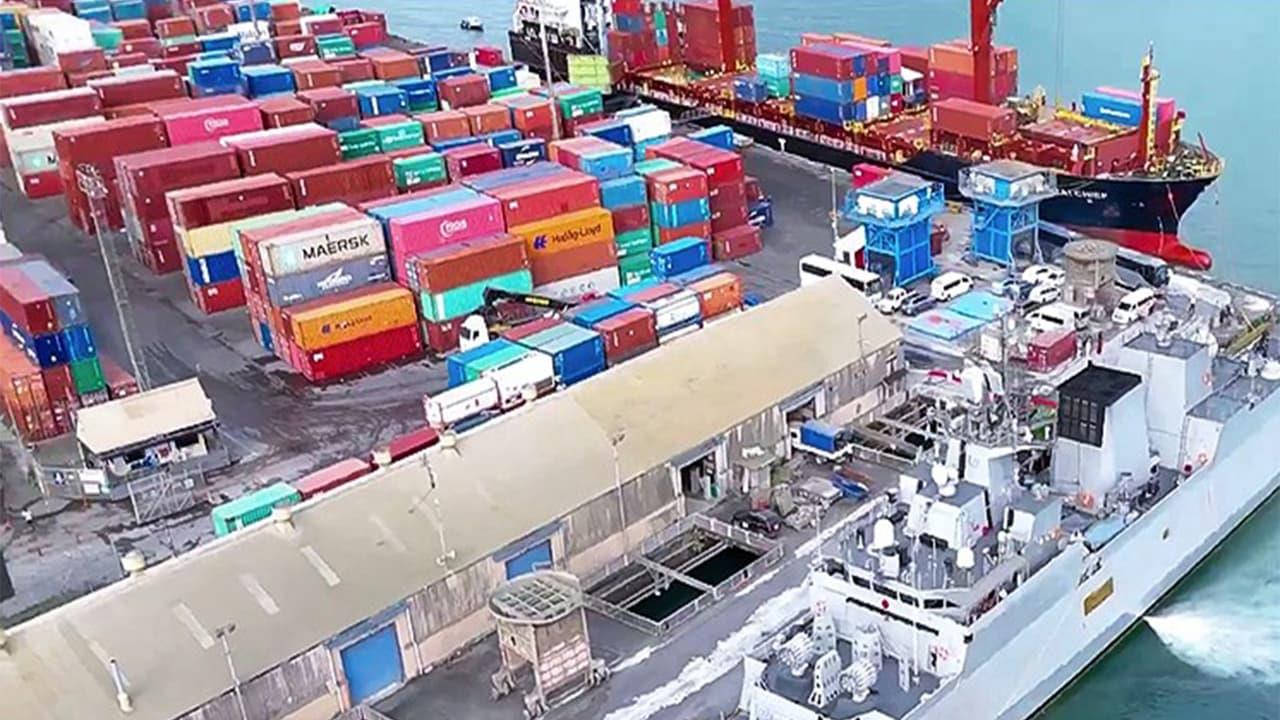
Overview of India’s Current Account Deficit
India’s current account deficit (CAD) is expected to widen to 2% of the Gross Domestic Product (GDP), primarily driven by the surge in global oil prices, according to a recent report by ICICI Bank. This projection raises concerns about the country’s economic stability and its trade balance as high oil prices continue to put pressure on the economy.
Factors Influencing the Current Account Deficit
The increase in CAD can be attributed to various factors, with rising crude oil prices being the most significant. As one of the largest importers of oil, India is particularly vulnerable to fluctuations in global oil markets. When oil prices rise, the costs of imports escalate, leading to a higher trade deficit.
Additionally, geopolitical tensions and supply chain disruptions have further exacerbated oil price volatility. The International Energy Agency (IEA) forecasts that global oil demand will remain strong, which could keep prices elevated in the coming months.
Impact on India’s Economic Growth
A widening CAD can have severe implications for India’s economic growth. It not only affects the country’s foreign exchange reserves but can also lead to a depreciation of the Indian Rupee. A weaker rupee makes imports more expensive, which can spiral into inflation, affecting consumers and businesses alike.
Moreover, the Reserve Bank of India (RBI) may face challenges in managing monetary policy, as it needs to balance inflation and economic growth. An increase in CAD could prompt the RBI to reconsider its interest rate strategy, which can further impact investment and consumer spending.
Government Measures to Address the Issue
In response to the potential widening of the CAD, the Indian government may need to implement measures to mitigate the impact. This could include enhancing domestic production of oil and gas, as well as encouraging alternative energy sources to reduce dependency on imports.
Furthermore, the government may consider policies to boost exports, thereby improving the trade balance. Initiatives aimed at increasing foreign investments in key sectors could also provide much-needed capital inflow, helping to stabilize the CAD.
Looking Ahead: Economic Forecast
While the projections are concerning, it is essential to monitor the situation closely. The global economic landscape can change rapidly, and fluctuations in oil prices or shifts in international relations could alter the current trajectory.
Experts suggest that India must remain agile, adapting its strategies to navigate potential challenges effectively. By fostering a resilient economy, India can better withstand external shocks and maintain sustainable growth.
Conclusion
In conclusion, ICICI Bank’s warning about India’s CAD widening to 2% of GDP underscores the critical need for proactive measures to address rising oil prices and their impact on the economy. With the right strategies, India can work towards minimizing the adverse effects and ensure economic stability.
What is the current account deficit?
The current account deficit is a measure of a country's trade where the value of imports exceeds the value of exports.
How do rising oil prices affect India's economy?
Rising oil prices increase import costs, leading to a higher trade deficit and potential inflation.
What measures can India take to control CAD?
India can enhance domestic oil production, promote exports, and attract foreign investment to manage CAD.