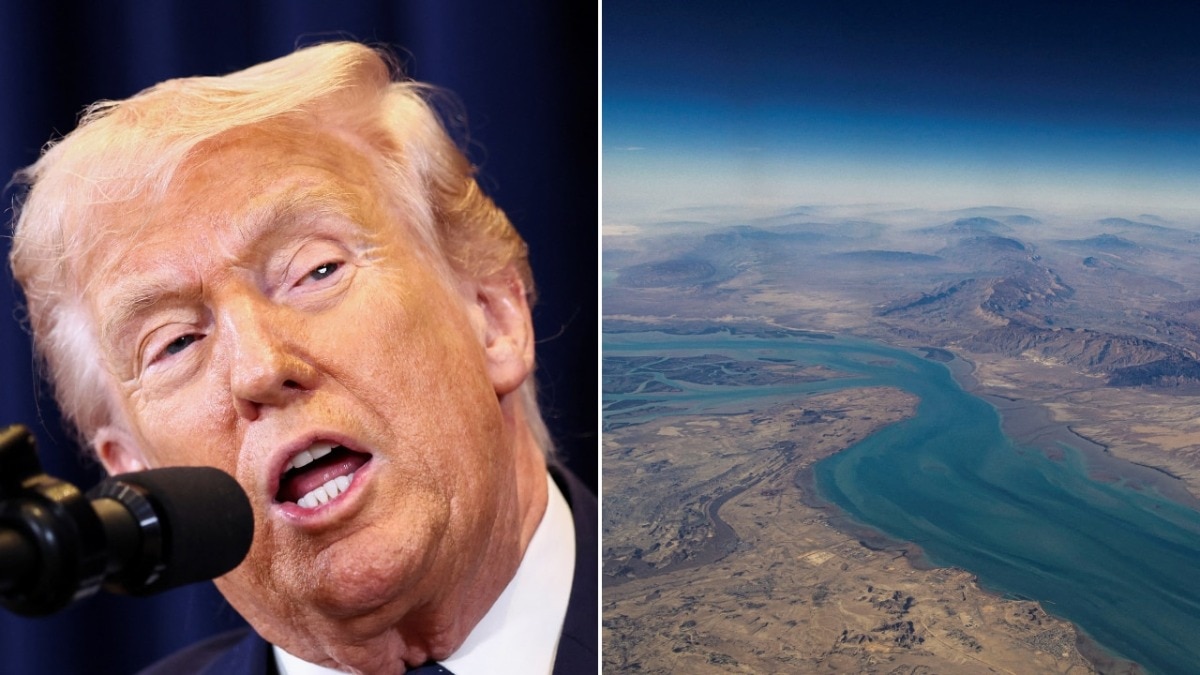
Overview of the Hormuz Strait Oil Price Manipulation Claims
The recent tensions in the Hormuz Strait have led to significant discussions regarding oil prices, with economist Anas Alhajji suggesting that former President Donald Trump played a role in manipulating these prices. This statement comes on the heels of a controversial post by the US Secretary of Energy that was later deleted, further fueling the debate surrounding US energy policies.
The Impact of Hormuz Strait Disruptions on Oil Prices
The Hormuz Strait is a vital maritime passage, through which a significant portion of the world’s oil supply is transported. Disruptions in this area can lead to immediate fluctuations in oil prices, affecting global markets. Alhajji’s assertions highlight the importance of geopolitical events on energy economics.
Alhajji’s Analysis of Trump’s Influence
Anas Alhajji, a respected economist, argues that Trump’s administration had a direct impact on oil prices through various policy decisions. According to Alhajji, the former president’s actions and rhetoric often influenced market perceptions, leading to volatility in oil pricing. This manipulation, as he describes, could be linked to strategic decisions made during Trump’s tenure.
Deleted Post by US Energy Secretary Sparks Controversy
The deleted post by the US Secretary of Energy has added a layer of complexity to the discussion. Many analysts believe that the timing of the post, coupled with its abrupt removal, suggests a lack of consensus within the US government regarding energy strategies. This situation raises questions about transparency and accountability in energy policymaking.
Reactions from the Energy Sector
The energy sector has reacted sharply to Alhajji’s claims. Some industry experts agree with his assessment, citing historical instances where political narratives have influenced market trends. Others, however, argue against attributing oil price fluctuations solely to political figures, pointing to the multifaceted nature of the global oil market.
Future Implications for US Energy Policy
The ongoing discourse about the influence of political figures on oil prices could have lasting implications for US energy policy. As stakeholders in the energy market navigate these challenges, they must consider how political stability and transparency can affect market confidence and pricing strategies.
Conclusion: The Intersection of Politics and Energy Markets
The interplay between politics and energy markets is undeniable. Anas Alhajji’s comments serve as a reminder of how geopolitical factors and leadership decisions can shape the landscape of oil pricing. As the situation in the Hormuz Strait continues to evolve, the implications for global oil markets remain significant.
Internal Linking Suggestions
For further insights, you can check our articles on US Energy Policy, Global Oil Prices Trends, and Hormuz Strait Disruptions.
What is the significance of the Hormuz Strait in global oil trade?
The Hormuz Strait is crucial as it is a major transit route for a large portion of the world's oil supply.
How do political decisions affect oil prices?
Political decisions can influence market perceptions, leading to volatility in oil pricing due to uncertainty.
What are the implications of Alhajji's claims for future energy policies?
Alhajji's claims suggest that transparency and stability in political leadership are essential for maintaining market confidence.