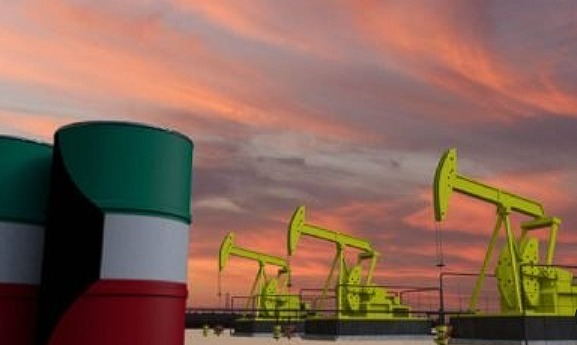
Kuwait’s Historic Zero Crude Exports
Kuwait has made headlines as it marks a significant milestone, recording zero crude oil exports for the first time since 1991. This unprecedented situation arises amid ongoing geopolitical tensions, particularly the blockade in the Hormuz Strait, which has critically affected the nation’s oil supply chain.
Impact of the Hormuz Blockade
The Hormuz Strait is a crucial maritime route for global oil shipments, and any disruptions here can have a ripple effect on the economies dependent on oil exports. The blockade has created severe logistical challenges for Kuwait, leading to a halt in crude exports.
Understanding Kuwait’s Oil Dependency
Kuwait’s economy heavily relies on oil exports, contributing to a significant portion of its GDP. With the recent halt in exports, the nation faces economic uncertainty and potential revenue loss. Experts are concerned about the long-term implications of this situation on Kuwait’s economic stability.
Geopolitical Tensions Affecting Oil Markets
In addition to the Hormuz blockade, regional tensions have escalated, influencing global oil prices and market dynamics. As one of the world’s leading oil producers, Kuwait’s ability to navigate these challenges will be crucial in the coming months.
Future Prospects for Kuwait’s Oil Industry
While the current situation appears dire, experts suggest that Kuwait may find alternative routes or solutions to resume exports. The government’s response will be critical in mitigating economic impacts and restoring confidence in the oil market.
Conclusion
Kuwait’s achievement of zero crude exports is a significant development in the oil industry, highlighting the vulnerabilities associated with geopolitical tensions. As the situation evolves, stakeholders will be closely monitoring Kuwait’s strategies to overcome these hurdles.
What caused Kuwait to have zero crude oil exports?
The Hormuz blockade created significant logistical challenges, halting Kuwait's oil exports.
How does Kuwait's economy depend on oil?
Kuwait's economy relies heavily on oil exports, which constitute a large part of its GDP.
What are the implications of zero exports for Kuwait?
The halt in exports may lead to economic uncertainty and potential revenue loss for the nation.