
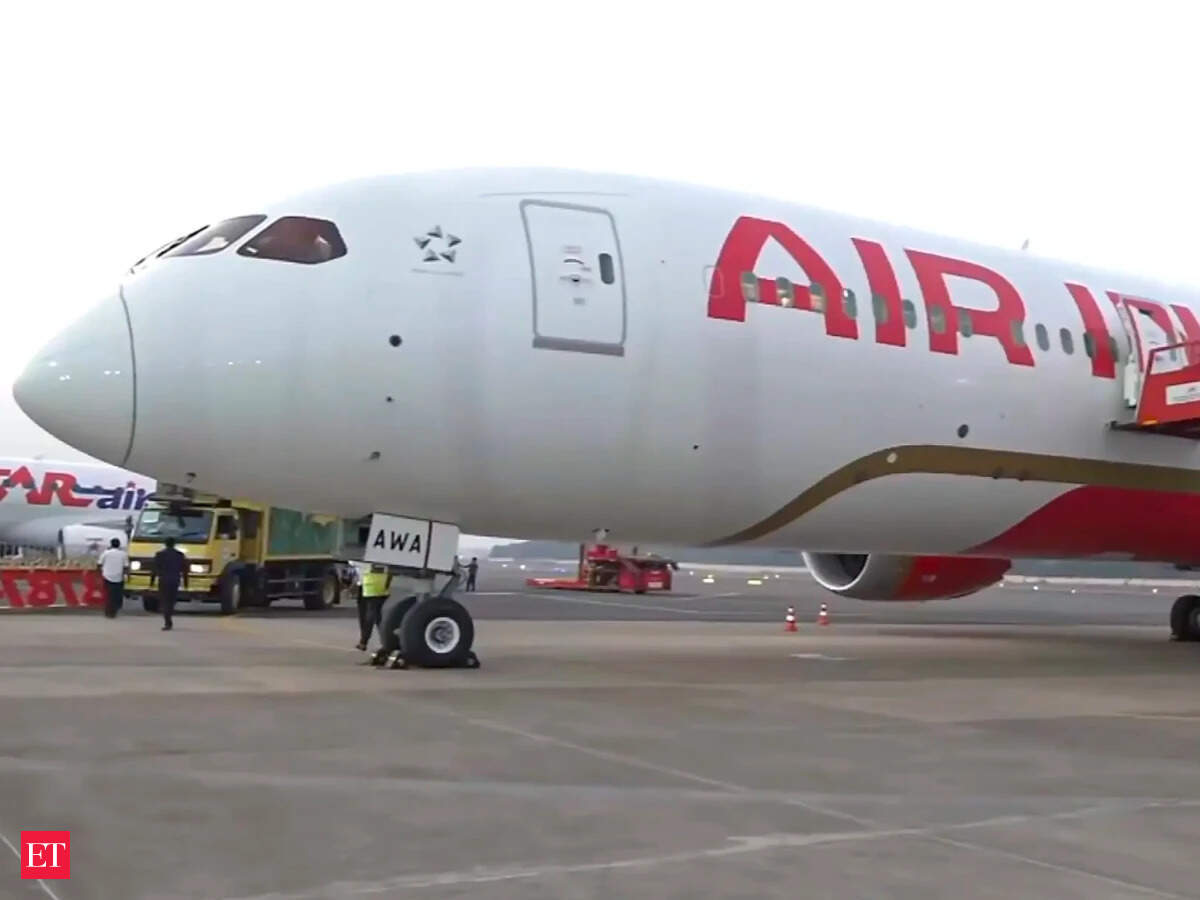
Overview of the Controversy
In a significant move, major Indian airlines including Air India, IndiGo, and SpiceJet have voiced their opposition to the government’s recent decision mandating a 60% free seat selection for passengers. This decision could drastically change how airlines manage their seat allocations and pricing strategies.
Impact on Airlines
Airlines argue that this new regulation will undermine their revenue models. By offering a high percentage of free seat selections, airlines may struggle to maintain competitive pricing while ensuring profitability. The operational costs associated with running these services could increase, leading to potential fare hikes for consumers.
Financial Ramifications
The financial implications of such a decision could be severe. Airlines typically rely on seat selection fees as a substantial revenue stream. With a 60% free selection policy, this income source is at risk, prompting concerns about long-term sustainability.
Passenger Experience vs. Airline Profitability
While the government’s intention might be to enhance passenger experience, airlines argue that this could backfire. Reduced revenue may lead to cuts in services or amenities that passengers currently enjoy. Striking a balance between customer satisfaction and operational viability remains a significant challenge.
Industry Reactions
Various industry stakeholders have expressed their views on the decision. Airline executives have stated that consumer choice is crucial, but it should not come at the cost of financial health. Industry analysts predict that the government may need to reconsider this policy to avoid adverse effects on the airline sector.
Regulatory Considerations
The regulatory framework governing airlines in India is complex. Changes such as these require careful evaluation to ensure they do not hinder industry growth. Future discussions will likely revolve around finding a middle ground that supports both consumers and airlines.
Potential Compromise Solutions
Some experts suggest implementing a tiered seat selection system, where premium seats could incur higher fees while standard selections remain free. This approach could help airlines maintain revenue while still providing options for budget-conscious travelers.
Conclusion
The opposition from Air India, IndiGo, and SpiceJet highlights the tension between consumer rights and business sustainability. As the situation develops, it will be crucial for all parties involved to engage in constructive dialogue to find a viable solution.
Why are airlines opposing the government's decision?
Airlines believe the 60% free seat selection could hurt their revenue models.
What are the potential impacts on passengers?
Passengers may face higher fares or reduced services if airlines struggle financially.
What solutions are being proposed?
Experts suggest a tiered seat selection system to balance revenue and consumer choice.