 11
11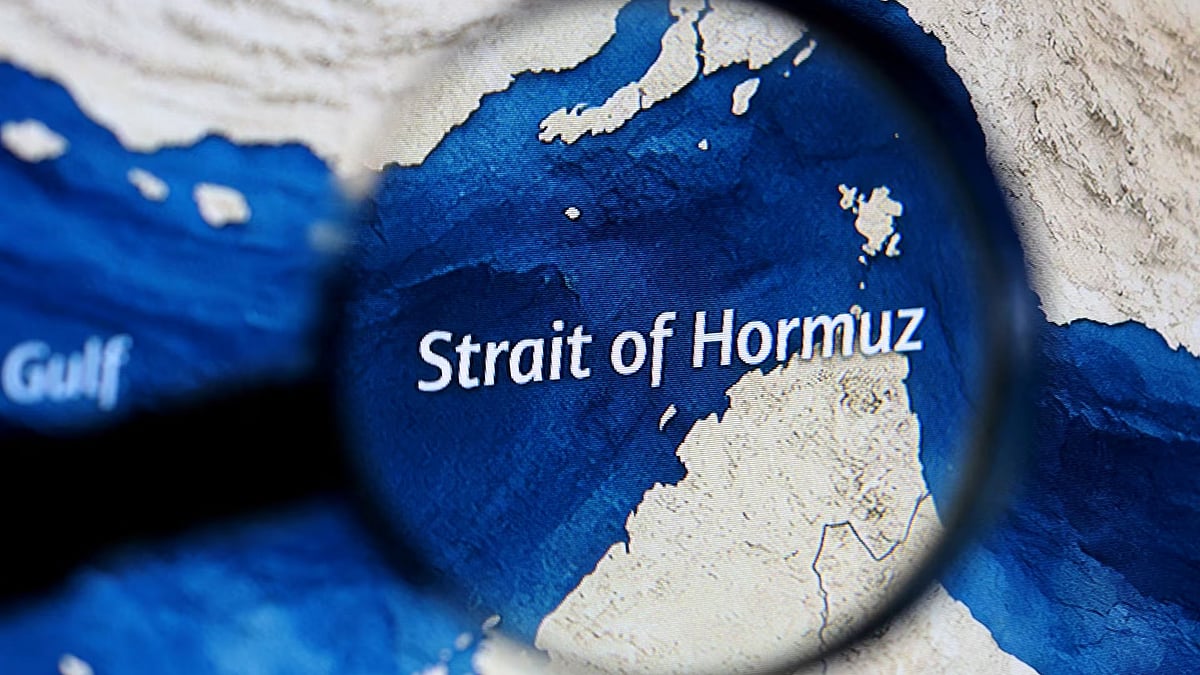
The recent warning from the Indian Finance Ministry highlights a significant concern regarding the ongoing disruptions in the Hormuz Strait. This vital waterway is not only crucial for global oil supply but also plays a pivotal role in shaping India’s economic future. The Ministry emphasizes that these disturbances could lead to heightened inflation and economic instability.
The Hormuz Strait serves as a critical channel through which approximately 20% of the world’s oil passes. For India, which heavily relies on oil imports to meet its energy demands, any disruption here could have far-reaching effects. The Finance Ministry’s report indicates that prolonged disturbances might push oil prices up, thereby affecting India’s economic growth.
As oil prices soar due to instability in the Hormuz Strait, the Indian economy is likely to experience inflationary pressures. Higher fuel costs can lead to increased transportation expenses, affecting the prices of essential goods and services. This scenario could strain household budgets and slow down economic growth.
In light of these developments, the Indian government may need to reassess its fiscal policies. The Finance Ministry could consider measures to mitigate the impact of rising oil prices on consumers. This may include reviewing tax structures or increasing subsidies on essential commodities to provide relief to the public.
The situation in the Hormuz Strait is not just a local issue; it has global implications. With many countries depending on this route for oil supplies, any disruption could lead to a ripple effect across international markets. India, as one of the largest consumers of oil, must navigate these challenges carefully to maintain its economic stability.
As the situation evolves, it remains crucial for India to diversify its energy sources and reduce dependency on oil imports. Investing in renewable energy and enhancing domestic production could provide long-term benefits to the economy. Furthermore, developing strategic reserves of oil could help buffer against future supply shocks.
The disruptions in the Hormuz Strait pose a significant threat to India’s economic and inflation outlook, as highlighted by the Finance Ministry. It is essential for the government to take proactive measures to safeguard the nation’s economic health and ensure stability in the face of global challenges.
The Hormuz Strait is crucial for oil imports, impacting prices and economic stability.
Disruptions could lead to higher oil prices, increasing transportation costs and essential goods.
The government may review fiscal policies, adjust taxes, or increase subsidies to provide relief.