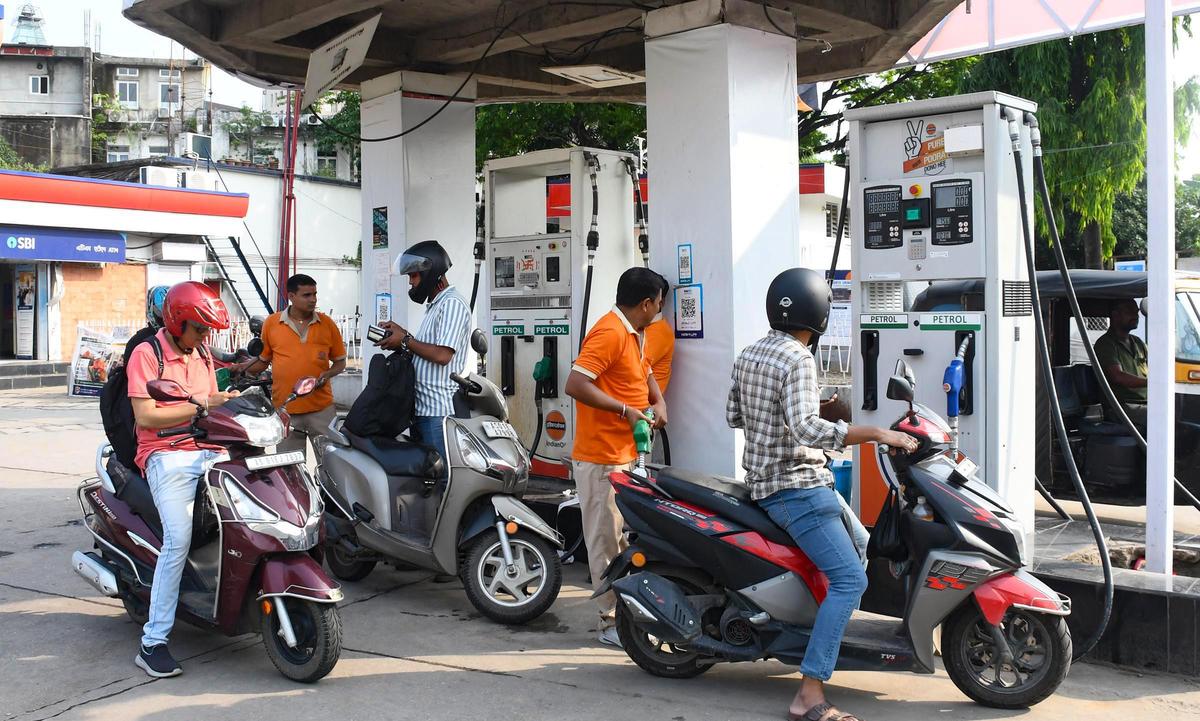
Recent Increase in Fuel Prices
The prices of petrol and diesel have seen a significant rise again, marking the fourth increase in just ten days. The latest hike adds approximately ₹2.80 to the cost per litre, putting further financial strain on consumers already grappling with high fuel costs. These continuous increments have raised concerns regarding inflation and the overall economic impact on households.
Understanding the Price Hike
The recent adjustments in fuel prices are attributed to various factors, including fluctuations in global crude oil prices and changes in local taxation policies. With crude oil prices reaching new highs, oil marketing companies have had no choice but to adjust their retail prices accordingly.
Impact on Daily Commuters
This latest increase is particularly challenging for daily commuters who rely on petrol and diesel for their transportation needs. Many are now contemplating alternative modes of transport or carpooling to mitigate the rising costs. The hike in fuel prices not only affects individual budgets but also has a cascading effect on the cost of goods and services.
Government Response to Rising Fuel Costs
The government is under pressure to address the ongoing fuel price hikes. While there have been calls for reducing taxes on fuel to ease the burden on consumers, there has yet to be a concrete plan announced. Policymakers are weighing the implications of these price adjustments on the economy and public sentiment.
The Broader Economic Implications
As fuel prices continue to climb, experts warn of potential inflationary pressures in the economy. This situation could lead to increased costs for essential goods, ultimately affecting everyday consumers. The transport sector, which heavily relies on diesel, may also face challenges as operational costs rise.
Consumer Tips for Managing Fuel Costs
To help manage the impact of rising fuel prices, consumers can consider several strategies. Using fuel-efficient vehicles, maintaining proper tire pressure, and planning routes efficiently can reduce fuel consumption. Additionally, exploring public transport options may prove beneficial for those looking to cut down on costs.
Conclusion
The recent price hike of ₹2.80 in petrol and diesel is yet another reminder of the volatile nature of fuel prices. As consumers brace for the financial implications, the government must take action to manage this pressing issue. Staying informed about these changes can help individuals make better decisions regarding their transportation choices.
Why are fuel prices increasing?
Fuel prices are increasing due to fluctuations in global crude oil prices and local taxation policies.
How does the fuel price hike affect consumers?
The fuel price hike increases transportation costs, leading to higher prices for goods and services.
What can consumers do to manage rising fuel costs?
Consumers can use fuel-efficient vehicles, maintain tire pressure, and consider public transport to reduce fuel expenses.